
The short answer
Follow the detector manufacturer’s schedule first. Many fixed detectors are calibrated about every three to six months, and harsh environments or a gas exposure event can call for more frequent checks. A bump test confirms that the sensor responds. Calibration adjusts its reading to a known gas concentration.
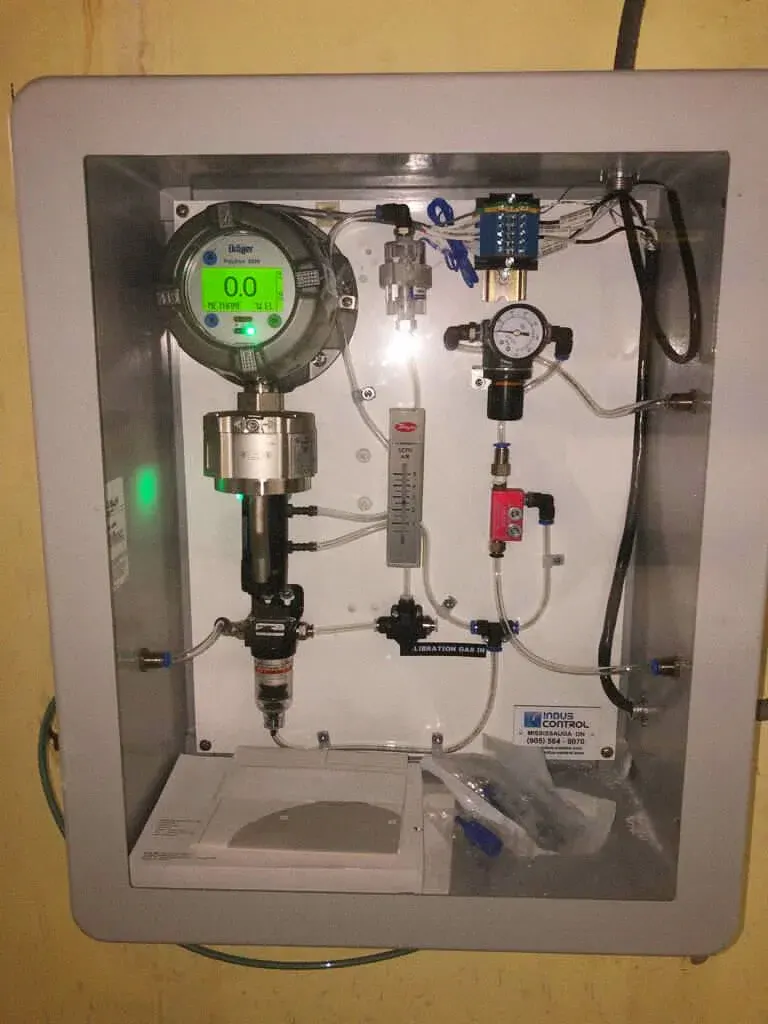
Bump test or calibration?
| Bump test | Calibration | |
|---|---|---|
| Purpose | Confirms the sensor and alarms respond | Adjusts the reading for accuracy |
| Uses | A short exposure to test gas | Certified gas of a known concentration |
| Result | Pass or fail | A corrected reading and a record |
What can shorten the interval
- Exposure to high gas levels
- Dust, moisture or extreme temperatures
- Chemicals that poison or inhibit the sensor
- Requirements from your insurer or safety program
Keep a record
Log the date, the sensor location, the gas used, the readings before and after, and who did the work. Plan for sensor replacement too, since sensors have a limited service life.
General information only, not engineering or safety advice. Confirm requirements for your site with a qualified professional. See our legal disclaimer.